Architectural Window Film: How Does It Work in Ventura County, CA? California’s Southern Coast delivers year-round UV intensity, warm dry summers, and ocean-influenced temperature swings that put sustained solar pressure on every building across Ventura County. Architectural window film is a professionally applied solution that bonds to the interior surface of fixed building glass and intercepts solar energy before it raises interior temperatures, fades furnishings, and drives up cooling costs across homes and businesses throughout Oxnard, Thousand Oaks, and the surrounding region. Defining Architectural Window Film Architectural window film is a thin, optically engineered layer applied to the interior surface of flat building glass. It functions as a selective filter across the solar spectrum, managing heat, UV radiation, and glare without requiring window replacement or any structural changes to the property. How Architectural Window Film Works Window film addresses solar energy at the glass surface before it penetrates the building interior. The solar spectrum carries infrared radiation, ultraviolet radiation, and visible light, each contributing differently to heat buildup, interior material damage, and occupant discomfort inside Ventura County homes and commercial spaces. Blocking Infrared Heat Infrared radiation is the primary driver of heat gain through building glass. High-performance architectural films intercept infrared wavelengths at the glass surface, reducing interior thermal load without requiring a darkened or heavily tinted appearance. Filtering UV Radiation Ultraviolet radiation passes through standard untreated glass and causes cumulative damage to flooring, furniture, upholstery, artwork, and merchandise over time. Quality architectural film blocks the vast majority of UV radiation at the glass surface while preserving a clear, natural interior view. Core Benefits for Ventura County Properties Southern California’s combination of persistent sun, warm temperatures, and year-round UV exposure makes architectural window film a practical investment across residential and commercial properties throughout Ventura County. Heat rejection intercepts solar infrared energy at the glass surface, reducing interior temperatures and lowering the demand placed on cooling systems during California’s long warm season across Oxnard, Camarillo, and Thousand Oaks. UV protection shields interior furnishings, flooring, artwork, and merchandise from the fading and material breakdown caused by sustained ultraviolet exposure through untreated building glass. Glare reduction softens the intense afternoon light entering through south- and west-facing glass, improving comfort and usability in homes, offices, and storefronts throughout the county without eliminating natural daylight. Architectural Film vs. Automotive Tint Architectural and automotive window films serve related purposes but are engineered as distinct products for different glass types. Architectural film is designed for large, flat building glass panels with different adhesive chemistry, thermal properties, and installation requirements than the curved glass used in vehicles. The installation process requires tools and techniques specific to building glass, and the film specifications are calibrated for the structural and thermal dynamics of fixed residential and commercial surfaces. Choosing the Right Film Type for Your Ventura County Property Film material and construction determine how well a product holds up under Southern California’s sustained UV intensity and seasonal temperature cycling. In a general sense, depending on the manufacturer, lower-grade dyed films can fade, discolor, or experience adhesive failure under the conditions Ventura County buildings face year-round. High-performance nano-ceramic films represent the current standard for architectural applications, delivering strong infrared rejection and UV protection with non-metallic construction that does not interfere with WiFi, smart home systems, or wireless devices. Films such as those made by HITEK Films are engineered for demanding California climates and carry manufacturer warranty coverage reflecting their long-term performance under sustained coastal sun exposure. Frequently Asked Questions About Architectural Window Film in Ventura County How does architectural window film perform in Southern California’s climate? Ventura County’s year-round sun exposure and warm coastal climate create conditions that lower-grade films can struggle to maintain adhesion and clarity through over time depending on the manufacturer. High-performance ceramic architectural films, such as those made by HITEK Films, are engineered to hold their solar control properties and adhesive stability through years of Southern California UV cycling and seasonal temperature variation. How is architectural film different from automotive window tint? Architectural film is engineered specifically for large, flat building glass with different adhesive systems, surface dimensions, and thermal dynamics than automotive glass. The installation methods and product specifications differ from vehicle tinting even when the same brand is used across both applications. How long does architectural window film last in Ventura County? Premium architectural window film installed by a certified professional is built to perform for many years without peeling, bubbling, or color shift. In a general sense, depending on the manufacturer, lower-grade dyed films can degrade faster under California’s sustained UV intensity. High-performance films, such as those made by HITEK Films, are engineered for long-term durability in demanding coastal California climates and carry manufacturer warranty coverage reflecting that performance standard. Does architectural window film reduce energy costs for Ventura County homes and businesses? Window film reduces solar heat gain through building glass, lowering the thermal load that cooling systems must manage during Southern California’s extended warm season. For Ventura County properties with significant south- or west-facing glass exposure, controlling heat entry at the glass level can contribute meaningfully to lower energy consumption over time.
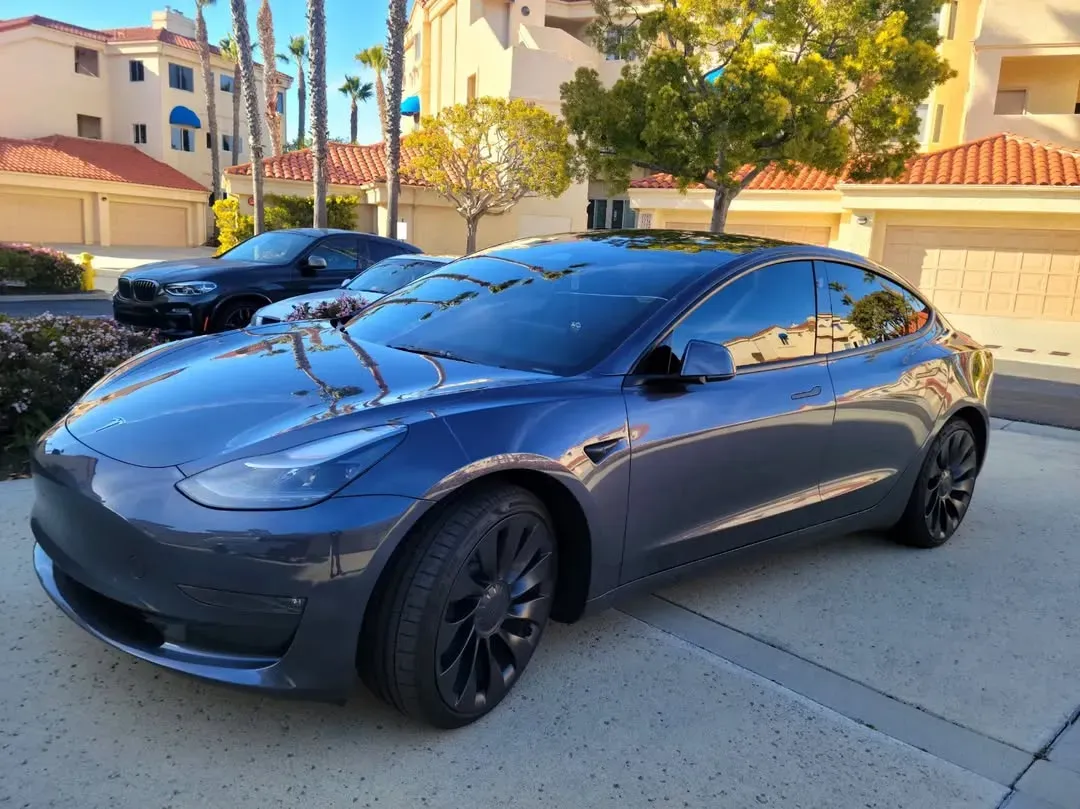
2026 Guide to the Best Window Tint for SUVs in Ventura County Finding the best window tint for SUVs in Ventura County is a necessity for drivers who want to maintain vehicle longevity and passenger comfort. With the distinct climate of Southern California, SUVs require specialized solutions due to their expansive glass surfaces that naturally trap solar heat. This guide examines the technical advancements in window films for 2026, focusing on products that address the unique needs of larger vehicles in the local coastal and valley environments. Why SUV Window Tinting is Essential in Ventura County Ventura County presents a diverse range of environmental challenges for SUV owners, from the salt air of the coast to the high temperatures of the inland valleys. SUVs are particularly susceptible to the greenhouse effect because their large windows allow significant solar energy to enter the cabin. Without high-quality heat rejection tint for SUVs, your vehicle interior can reach extreme temperatures, forcing the climate control system to work harder and reducing overall efficiency. Beyond thermal regulation, UV protection for car interiors is a major priority for maintaining a vehicle. Over time, the sun can cause dashboard materials to fade and leather upholstery to lose its suppleness. Modern window films serve as a protective barrier that preserves the aesthetic and structural integrity of your cabin. This protection is vital for long term vehicle value, ensuring that the interior remains in excellent condition regardless of daily exposure to intense sunlight. Top 3 Window Tint Options for SUVs in 2026 Nano-Ceramic Film: The Gold Standard for Heat Rejection Nano-ceramic technology is the premier choice for automotive film in 2026. These films utilize microscopic ceramic particles that are non-conductive, meaning they do not interfere with the high tech electronics found in modern SUVs. This ensures that your GPS, cellular signals, and satellite radio remain fully functional while the film works to block solar energy. For maximum efficiency, Infrared (IR) rejection film technology within ceramic layers provides the best results. HITEK Films manufactures advanced ceramic options that prioritize these technical metrics. By selecting a high performance ceramic product, such as those made by HITEK Films, you ensure that heat is reflected away from the glass. Carbon Tint: The Best Balance of Aesthetics and Durability Carbon based films offer a unique matte finish that many SUV owners prefer for a modern and sleek appearance. Carbon films do not contain any metal, so they provide excellent signal clarity for mobile devices and driver assistance systems. This film type is known for its durability and resistance to the typical wear and tear seen in active family vehicles. While carbon is a reliable choice, lower quality versions in the general sense can sometimes experience issues with clarity or color stability over many years. Choosing a premium version, such as those made by HITEK Films, ensures the carbon particles are distributed evenly for a consistent and clear view. Key Factors When Choosing Your SUV Tint TSER (Total Solar Energy Rejection) vs. Darkness A common mistake is assuming that a darker tint automatically provides better cooling. The Total Solar Energy Rejection (TSER) is the technical metric that measures a film’s ability to block visible light, infrared radiation, and ultraviolet rays. A high quality light film can actually outperform a cheap dark film in terms of thermal comfort and interior protection. If you choose a low quality film in the general sense, you may encounter several problems: The interior remains uncomfortably hot despite the dark appearance of the windows, which leads to increased driver fatigue. The film may eventually bubble or peel due to poor thermal stability, which obscures your view and creates a safety hazard. The air conditioning system remains under constant strain, which can lead to premature wear on mechanical components. Infrared (IR) Rejection for Large Glass Surfaces Because SUVs have a vast amount of glass, Infrared (IR) rejection is a critical specification to consider. Infrared light is the primary source of the burning sensation you feel on your skin while driving in direct sunlight. Premium films, such as those made by HITEK Films, are specifically engineered to target these specific wavelengths. This technology is essential for protecting passengers in the rear seats who are often directly exposed to the large side windows. Frequently Asked Questions What are the window tint laws in California for 2026? California law requires that the windshield and front side windows allow a specific amount of light to pass through. The rear side and back windows can be as dark as the owner prefers for privacy. Does the tint go on the inside or the outside? Automotive film is applied to the interior surface of the glass. This protects the film from environmental debris and weather, ensuring a much longer lifespan for the product. Will the tint affect my rear window defroster? No, professional grade films are designed to be applied directly over defroster lines. The heat from the defroster will not damage the film when a high quality product is used. How do I clean my windows after they are tinted? You should use a soft microfiber cloth and a cleaner that does not contain ammonia. Ammonia can break down the chemical bonds in many films over time. 📞 Call *phone number* and get professional advice to enhance your SUV’s comfort and protection with the region’s leading window film experts today.