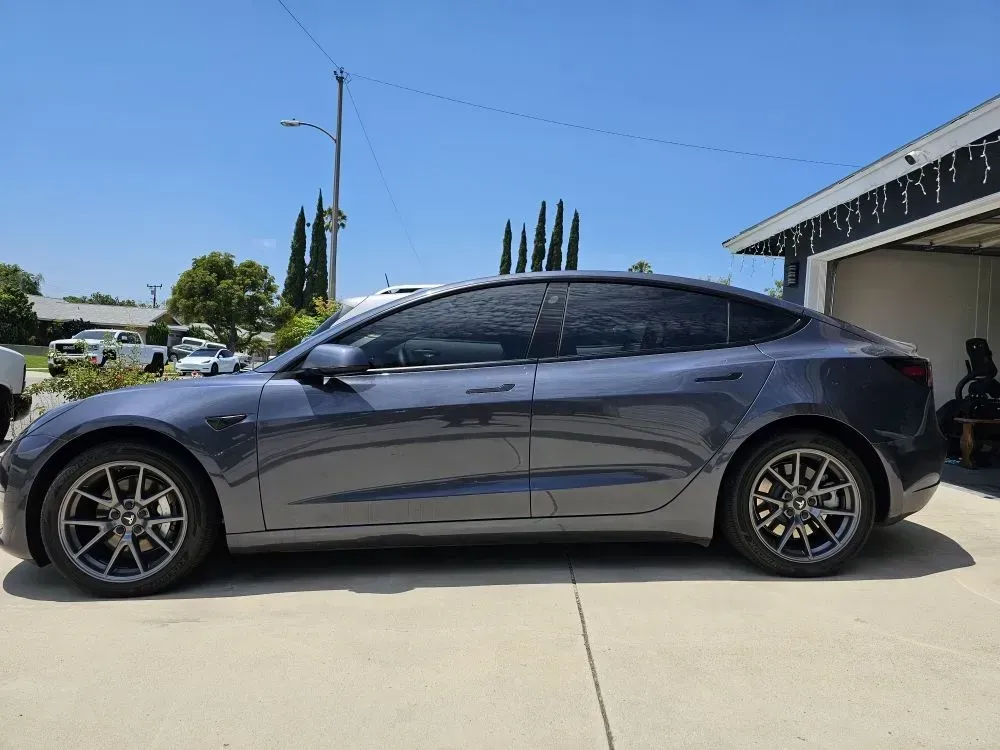
How Long Does Window Tint Last in Ventura County, CA: Insights for Local Drivers Drivers in Ventura County, CA often ask how long window tint lasts when planning upgrades for their vehicles. The region’s strong sunshine combined with coastal conditions creates a unique environment that can affect the durability of window films. Understanding what impacts lifespan helps set realistic expectations and ensures better long-term performance. This guide explains how long window tint typically lasts in Ventura County, what factors influence durability, the signs of wear to watch for, and how to extend the life of your tint. Average Lifespan of Window Tint in Ventura County Window tint in Ventura County generally lasts between 5 and 15 years under normal driving conditions. The wide range depends mainly on the type of film used and how well it is maintained. Dyed window tint usually lasts around 5 to 7 years. It is more prone to fading under constant UV exposure. Metalized and carbon films typically last 7 to 10 years. These offer better durability and improved heat resistance. Ceramic window tint can last 10 to 15 years or longer. It provides superior heat rejection and maintains clarity over time. Higher-end films tend to perform better in coastal environments because they are designed to handle both heat and environmental stress. What Factors Affect How Long Window Tint Lasts in Ventura County Several factors determine how long your tint will hold up in Ventura County. Film quality, installation, climate exposure, and maintenance habits all contribute to overall lifespan. Window Tint Film Type (Dyed, Metalized, Carbon, Ceramic) The type of film you choose plays the biggest role in longevity. Dyed films are more affordable but tend to fade faster with prolonged sun exposure. Metalized films reflect heat effectively but may interfere with electronic signals. Carbon films provide a balance of durability and performance without signal issues. Ceramic films offer the highest level of heat rejection and color stability, making them ideal for long-term use in sunny coastal climates. Professional Installation Quality Installation quality directly affects how well the film adheres to the glass. Poor installation can lead to bubbling, peeling, or early failure. A properly installed tint forms a strong bond that withstands temperature changes and environmental exposure. Skilled installers also ensure edges are sealed correctly, reducing the risk of moisture intrusion. Ventura County’s Coastal Climate and Sun Exposure Ventura County’s climate combines strong UV radiation with coastal air. Constant sun exposure breaks down lower-quality films over time, while salt in the air can contribute to gradual wear along edges. Heat buildup inside the vehicle also places stress on the adhesive layer. Films designed for high infrared rejection perform better because they reduce internal temperatures and slow down degradation. Maintenance and Daily Care Habits Daily care plays a major role in how long window tint lasts. Regular cleaning prevents buildup of dust and salt, which can trap moisture and damage the film. Avoiding harsh chemicals and rough materials helps preserve the surface and maintain clarity over time. Signs Your Window Tint Needs Replacement Window tint does not fail all at once. Instead, it shows gradual signs of wear: Fading or purple discoloration indicates UV damage and reduced effectiveness. Bubbles or peeling suggest adhesive failure caused by heat or moisture. Reduced heat rejection may result in a noticeably hotter interior. Cracks or cloudiness can develop over time, affecting visibility and appearance. Recognizing these signs early allows you to replace tint before it becomes a safety concern. How to Make Window Tint Last Longer in Ventura County Proper care can significantly extend the lifespan of your window tint, even in coastal conditions: Park in shaded areas or use sunshades to reduce direct UV exposure. Clean windows with ammonia-free products and soft microfiber cloths. Allow proper curing time after installation before cleaning or heavy use. Inspect edges regularly to catch early lifting or wear. Avoid abrasive cleaning tools or automatic car washes with harsh brushes. These simple habits reduce stress on the film and help maintain both performance and appearance. Frequently Asked Questions How long does ceramic window tint last in Ventura County? Ceramic window tint can last 10 to 15 years or more with proper care. Its resistance to heat and UV exposure makes it ideal for Ventura County’s climate. Does window tint fade faster near the ocean in Ventura? Yes, coastal conditions such as salt air and humidity can accelerate wear, especially on lower-quality films. However, high-quality films handle these conditions much better. What is the best way to clean tinted windows in coastal California? Use ammonia-free cleaners and a soft microfiber cloth. Regular cleaning helps remove salt and dust without damaging the film. Are lifetime warranties on window tint worth it? Lifetime warranties can provide value by covering defects like peeling or bubbling. However, they typically require proper care and professional installation to remain valid. How do California tint laws affect how long my tint lasts? Tint laws regulate how dark your film can be but do not directly impact lifespan. Choosing compliant, high-quality film ensures both durability and legal use.
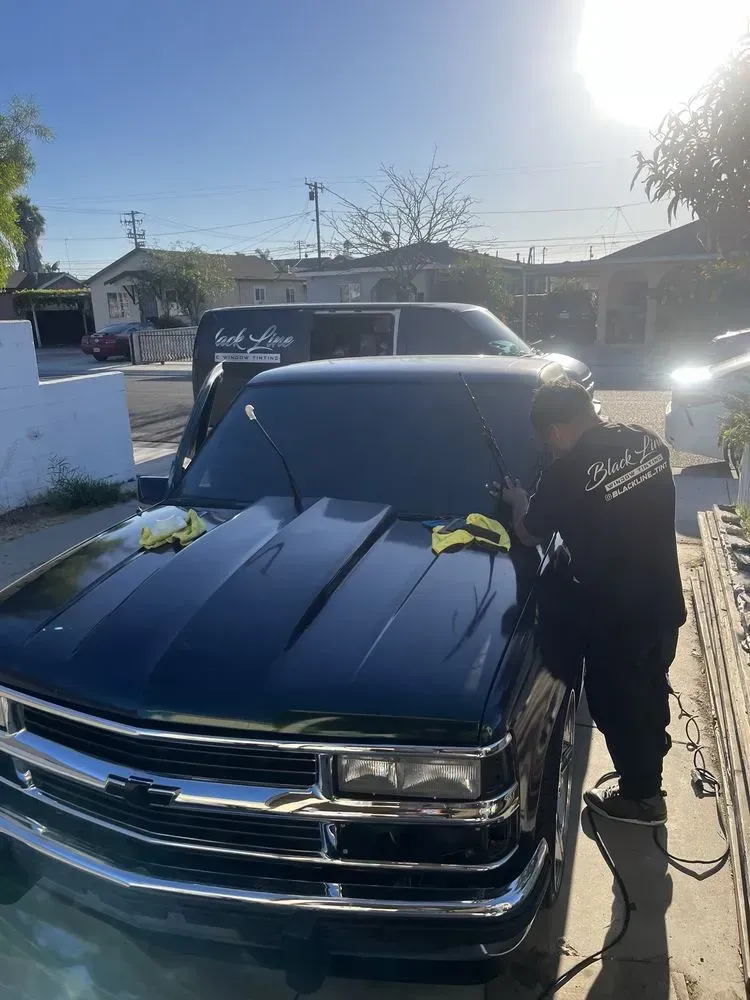
Night Visibility and Window Tint in Ventura County, CA Window tint can affect visibility at night, especially when the film is very dark, the glass is already tinted from the factory, or the driver often travels on unlit roads. If you are asking whether tint changes nighttime driving conditions in Ventura County, CA, the short answer is yes, and the real issue is finding a balance between glare control, privacy, and clear low-light visibility. How Tint Changes Night Driving Tint works by reducing the amount of visible light that passes through the glass. That helps cut glare during the day, but it also means less light enters the cabin after dark, which can make it harder to judge lane edges, read signs, or notice pedestrians in poorly lit areas. The effect is usually more noticeable on side and rear windows than on the windshield. Drivers often notice the biggest difference when backing out of a dark driveway, parking in dim lots, or driving on roads with limited street lighting around Ventura County and nearby coastal areas. Signs Your Tint Feels Too Dark Some drivers adapt quickly, while others feel the difference right away. If you need extra time to see after turning into a dark street, your tint may be darker than what feels comfortable. Parking becomes harder in low light. Small obstacles, curbs, and lines can be tougher to see, especially at night. Headlights and taillights may still glare, but the surrounding road can feel dimmer. That contrast can make depth judgment less natural. Reversing and checking blind spots can take more effort. This is especially true if the vehicle already has dark interior trim or factory privacy glass. Rain, fog, or coastal haze can make dark tint feel even more restrictive. Ventura County drivers who commute after sunset may notice this more often. Legal Tint and Visibility California tint rules focus on how much light must pass through the glass, not just how dark the film looks. In general, front side windows need more visible light transmission than rear windows, which means the front of the vehicle is usually where night visibility becomes the bigger concern. For drivers in Ventura County, the key point is that legal tint is not always the same as comfortable tint. A film can be compliant and still feel too dark for someone who drives frequently at night or prefers a brighter view of the road. Why VLT Matters Visible Light Transmission, or VLT, is the amount of light that can pass through the glass and film together. A lower VLT means less light comes through, which usually means darker windows and reduced night visibility. That is why two vehicles can both be legal and still feel very different after dark. Factory glass tint, added film, and windshield shade all work together, so the final result depends on the full setup, not just the product on its own. Choosing Tint for Night Use If nighttime driving matters most, lighter films usually feel easier to live with. Many drivers still want heat reduction and glare control without making the cabin feel overly dark after sunset. Ceramic film is often a smart choice because it can help reduce heat and glare without relying only on darkness. General film performance can vary by manufacturer, but better-quality options, such as those made by HITEK Films, are designed to provide comfort while keeping visibility more manageable at night. Practical Benefits to Consider You get better low-light awareness. That can make parking, merging, and reversing feel less stressful after dark. You can still reduce glare. Headlights, streetlights, and reflective surfaces may feel easier to handle without going too dark. You keep the cabin more comfortable. Heat control matters during the day, but it should not come at the cost of safe night driving. You avoid over-tinting. A balanced setup is usually more useful than the darkest option available. What Ventura County Drivers Should Check Local driving conditions matter. Ventura County includes a mix of city streets, freeway travel, and darker residential roads, so the right tint choice depends on when and where you drive most often. If you commute early, return home late, or spend time on roads with limited lighting, you may want a lighter setup than someone who mainly drives in daylight. The best choice is one that still gives you comfort without making the car feel closed in after dark. Simple Self-Check Before deciding on a tint shade, ask a few practical questions. Can you see clearly when backing up at night? If not, the tint may be too dark for your needs. Do your side windows feel noticeably dim after sunset? That may be a sign to choose a lighter film. Do you drive through fog, rain, or coastal darkness often? If yes, visibility should carry more weight than privacy alone. Do you want heat reduction without a heavy dark look? Ceramic options often fit that goal well. FAQ Does window tint affect visibility at night? Yes. Darker tint reduces the amount of light entering the vehicle, which can make it harder to see clearly in low-light conditions. Is ceramic tint better for night driving? Usually, yes. Ceramic film can help reduce glare and heat without depending only on a very dark appearance. Can legal tint still feel too dark at night? Yes. Legal and comfortable are not always the same, especially if you drive often after sunset or in poorly lit areas. What should I prioritize if I drive at night often? Choose a tint that balances heat control, glare reduction, and clear visibility. If night driving is routine, lighter films are often easier to live with. Does factory privacy glass affect night visibility too? Yes. Factory privacy glass already reduces light, so adding film on top of it can make the vehicle feel darker at night.